Castro Valley Home Styles Explained For First Time Buyers
April 16, 2026
April 16, 2026
Buying your first home in Castro Valley can feel confusing fast. One listing might show a classic ranch on a larger lot, while the next is a newer townhome near BART with shared amenities and HOA dues. If you are trying to figure out what those differences really mean for your budget, maintenance, and long-term plans, this guide will help you sort it out. Let’s dive in.
Castro Valley is not a one-style housing market. According to Alameda County planning materials, the community includes older detached neighborhoods, hillside subdivisions, planned developments, and newer infill housing near the commercial core and BART.
That mix makes sense when you look at how the area developed over time. Alameda County notes that the broader West Alameda County urbanized area, including Castro Valley, was built largely from the 1950s to the present, with many parts of Castro Valley developed in different phases and patterns. The result is a market where first-time buyers may see very different home styles within the same search.
County housing analysis also shows that northern Castro Valley tends to have older housing stock, with many areas showing 40% to 60% of homes built before 1960, while southern areas tend to be newer. That matters because older homes often bring different inspection and repair considerations than newer ones.
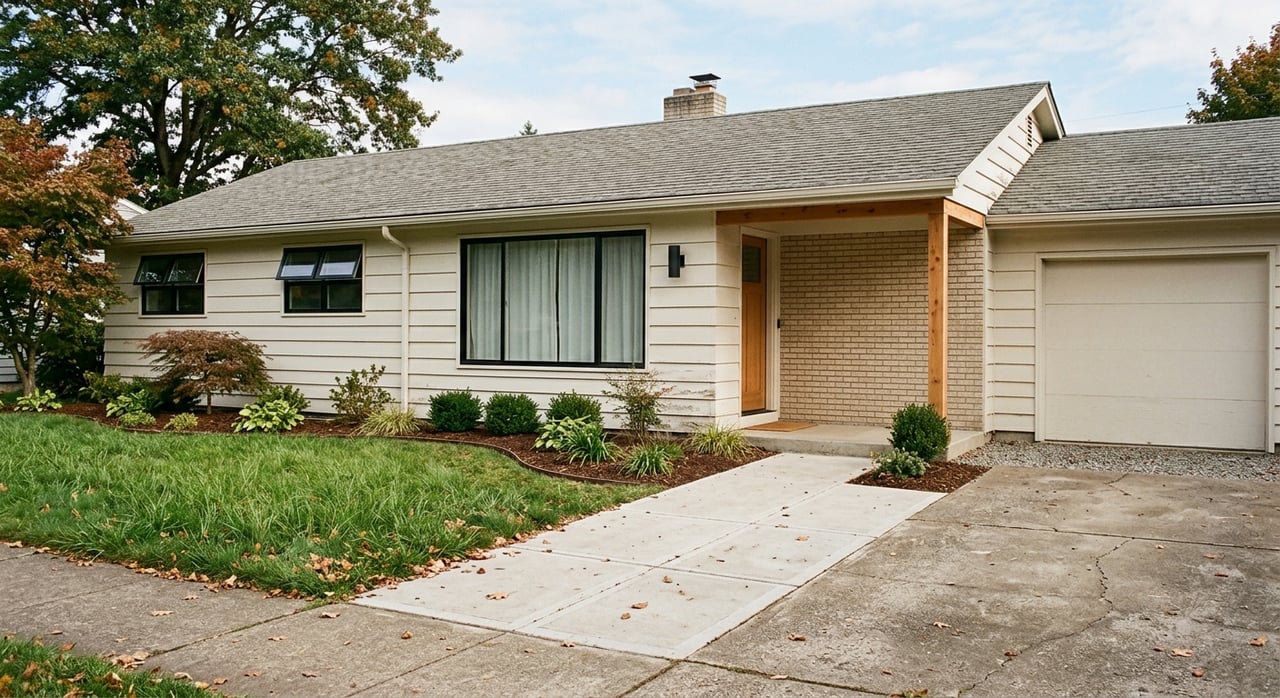
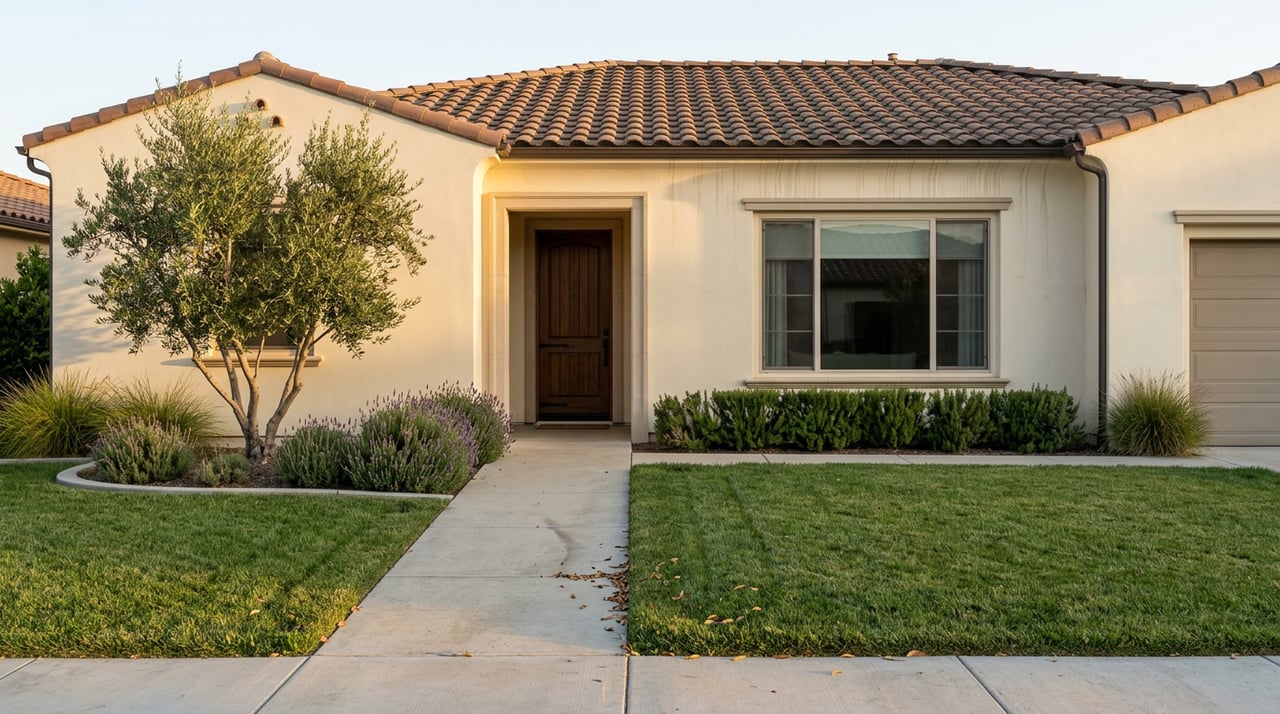
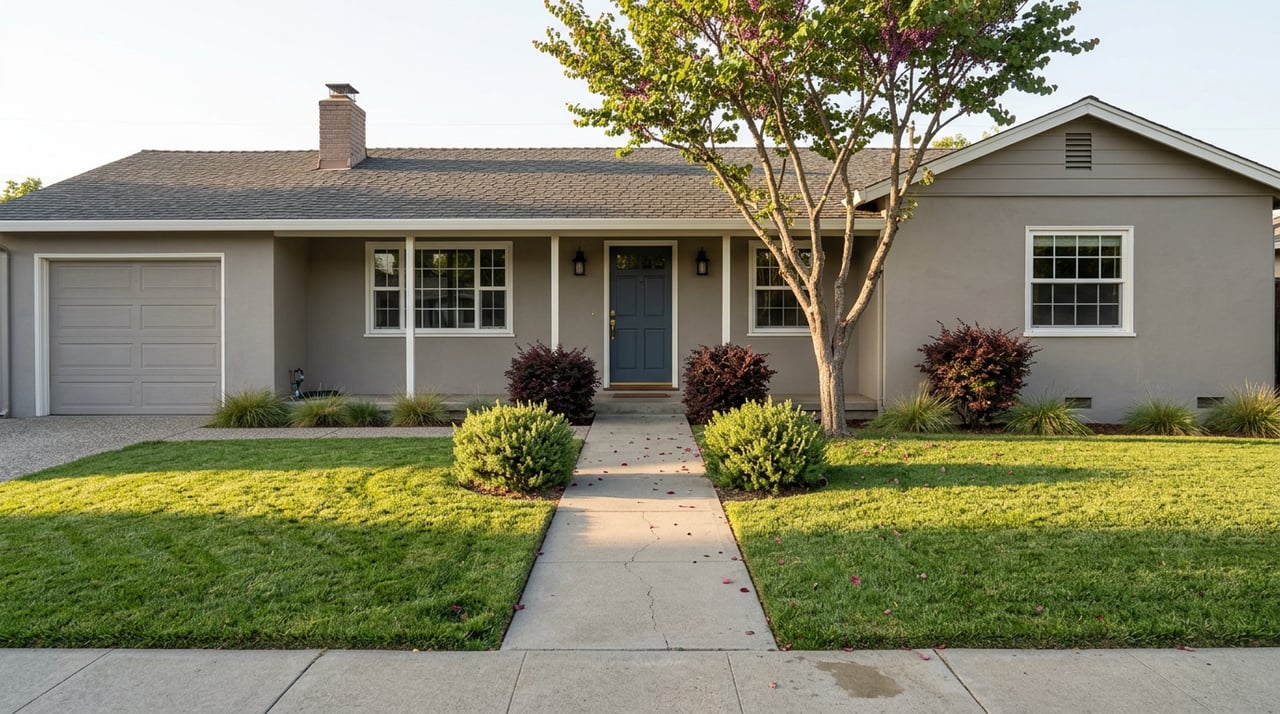
If you picture Castro Valley as a neighborhood of classic California homes, this is probably what you are thinking of. Alameda County’s historic survey identifies local examples such as ranch-style houses, minimal-traditional residences, and craftsman bungalows dating from the 1920s through the 1940s.
For many first-time buyers, these homes are appealing because they often offer more lot space, more privacy, and a more traditional detached-home feel. You may also find mature landscaping and floor plans that feel different from newer construction.
The tradeoff is maintenance. Alameda County’s housing analysis says structures older than 50 years often need more significant repairs and modernization to major systems, so you will want to look carefully at roofs, plumbing, and other core systems, not just finishes and staging.
When you see terms like original, vintage, or mid-century, that often points to an older detached home. In practical terms, that may mean charm and space, but also a stronger need for inspections and repair planning.
Castro Valley also has hillside neighborhoods and planned developments that shaped later growth. The Castro Valley General Plan notes that flatter parts of the community were largely built out by 1985, while hillside subdivisions such as Greenridge and Columbia, along with larger developments like Palomares Hills and Five Canyons, became important parts of later development.
These homes often attract buyers who want views, larger lots, or a little more separation. In photos, they can stand out quickly because of their settings, elevation changes, and outdoor outlooks.
But hillside properties need a different kind of review. County policy documents point buyers toward issues like slope, access, natural hazards, vegetation, parking, drainage, and utility constraints. In other words, a hillside home may offer a lot visually, but you want to evaluate more than the view.
If you are considering a hillside property, pay close attention to:
If your budget is tight or you want a lower-maintenance starting point, attached housing may be where your search becomes more realistic. Alameda County design standards for unincorporated West Alameda County include typologies such as single-family, townhouse-type multifamily, and flats-type multifamily, and Castro Valley’s land-use framework supports smaller-lot residential options.
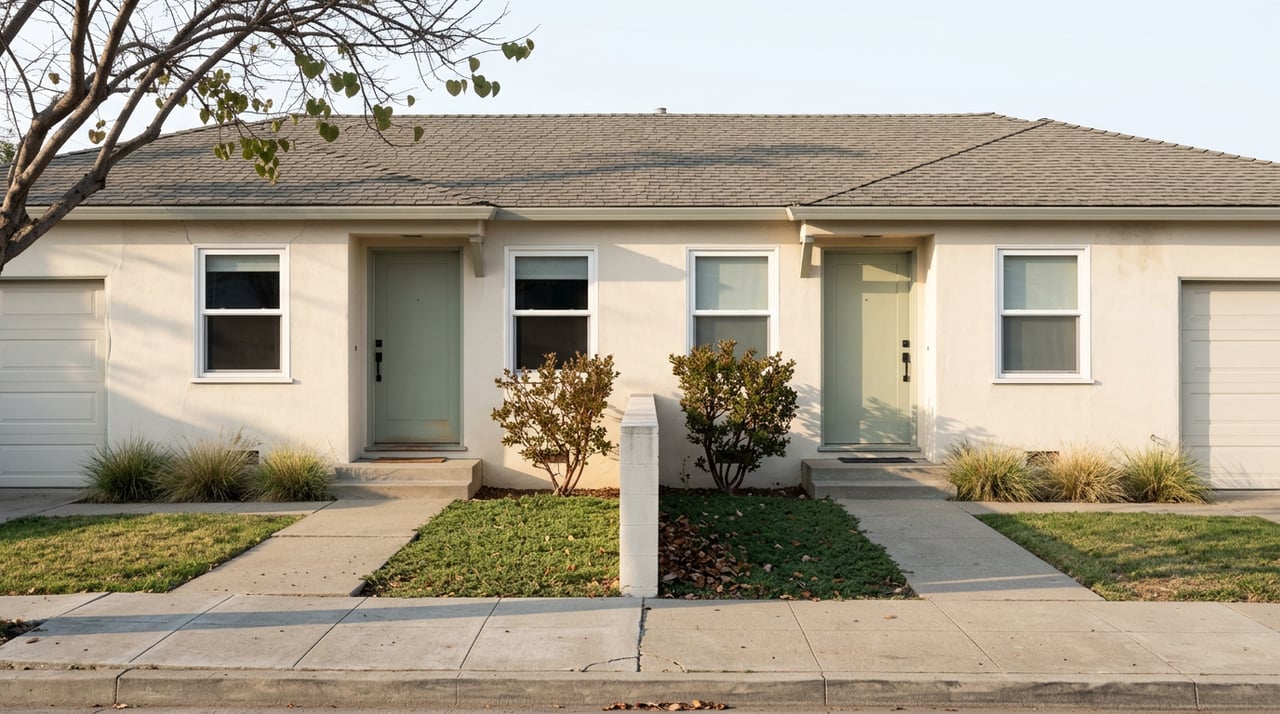
The county describes the small-lot category as generally covering lots between 2,500 and 5,000 square feet and including detached homes, duplexes, townhouses, and rowhouses. County documents also say that most new residential development has come through infill, with support for small-lot single-family units and townhouses as part of that pattern.
For a first-time buyer, this usually means a more affordable entry point than a detached house. It may also mean less private yard space, more shared walls, and more shared upkeep.
A Bay East MLS market snapshot for February 2026 shows how wide the gap can be by home type. Detached single-family homes had a median sale price of about $1.16 million, while condominiums and townhomes had a median sale price of about $605,000.
That same snapshot showed detached homes averaging about 21 days on market and selling at about 105% of list price, while condos and townhomes averaged about 30 days on market and sold at about 101% of list price. The attached-home sample was small, so monthly swings can be noisy, but the bigger point is clear: attached housing often creates a more reachable starting point.
A lower purchase price does not always mean a lower monthly cost. The Consumer Financial Protection Bureau explains that condo and HOA fees are usually paid directly to the association and are not included in your mortgage servicer payment.
That means you should compare homes based on total monthly ownership cost, not just sale price. A condo with dues may still be the right fit, but you want the math to be clear before you write an offer.
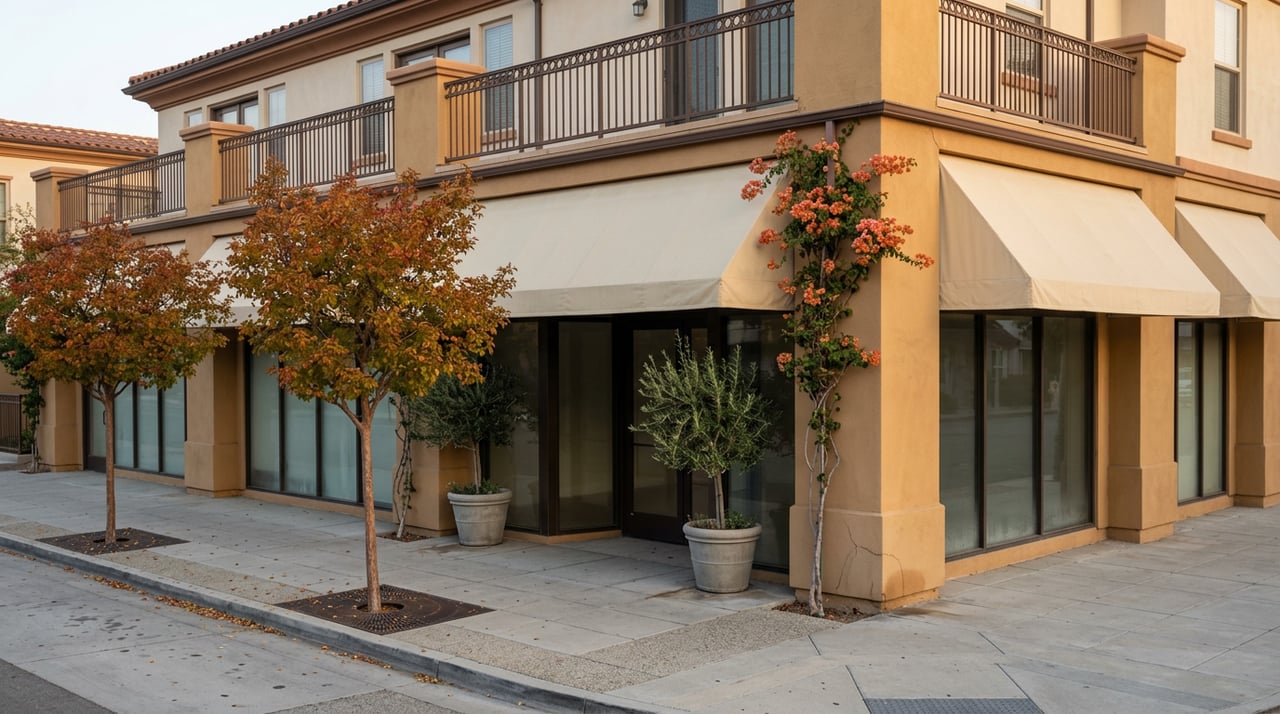
Another style first-time buyers may see is housing near downtown Castro Valley and the BART station area. The Castro Valley General Plan describes this area as appropriate for transit-oriented, high-density, mixed-use development with structured parking, and county policy specifically targets the station area to increase housing supply near transit.
In real terms, these homes are often newer attached properties or homes in mixed-use settings. Compared with an older ranch house, they usually offer less private outdoor space and more shared infrastructure.
For some buyers, that is a plus. If you care more about commute access, newer construction patterns, and lower exterior maintenance than a large yard, this category can be worth a close look.
Words like near BART, transit-oriented, mixed-use, or structured parking often suggest station-area or downtown-style housing. Those words can help you quickly tell whether a property fits your lifestyle before you spend time touring it.
The right first home is not always the biggest one or the one with the best photos. In Castro Valley, the better question is often: Which tradeoff fits your life right now?
Here is a simple way to think about it:
| Home type | Potential upside | Common tradeoff |
|---|---|---|
| Older detached home | More yard, privacy, flexibility | Higher maintenance risk and more system updates |
| Hillside home | Views, separation, larger-lot feel | More attention to slope, access, drainage, and parking |
| Townhome or condo | Lower entry price, less exterior upkeep | HOA dues, less yard, more shared infrastructure |
| Near-BART attached home | Transit access, newer infill setting | Limited private outdoor space |
Before you even schedule a tour, listing photos and descriptions can tell you a lot.
If the home is described as original or mid-century, expect an older property where inspections matter. If it says small lot, attached, or infill, it is probably a denser and newer housing type with less yard and more shared maintenance. If you read hillside or view lot, be ready to look carefully at access, drainage, and site conditions.
This kind of quick translation helps you avoid falling for the wrong property type. It also helps you focus your search on homes that actually fit your budget and comfort level.
Castro Valley remains a high-value market, which is one reason first-time buyers need a clear plan. The Census Bureau ACS 2024 profile puts the median owner-occupied home value at $1,141,100, which gives useful context for the local price environment, even though it is not the same thing as a current sale price.
That backdrop makes home-style choice even more important. In many cases, your first decision is not just where in Castro Valley to buy, but whether you want to prioritize detached space, lower maintenance, lower entry price, or easier commuting access.
If you are buying your first home in Castro Valley, start with these questions:
When you answer those questions honestly, the right home style usually becomes much clearer.
Buying your first place here is less about chasing every listing and more about understanding the tradeoffs behind each type of home. If you want straightforward guidance on what fits your budget, offer strategy, and long-term goals, Bert Aranda can help you compare your options and move forward with a clear plan.

Get assistance in determining current property value, crafting a competitive offer, writing and negotiating a contract, and much more. Contact me today.