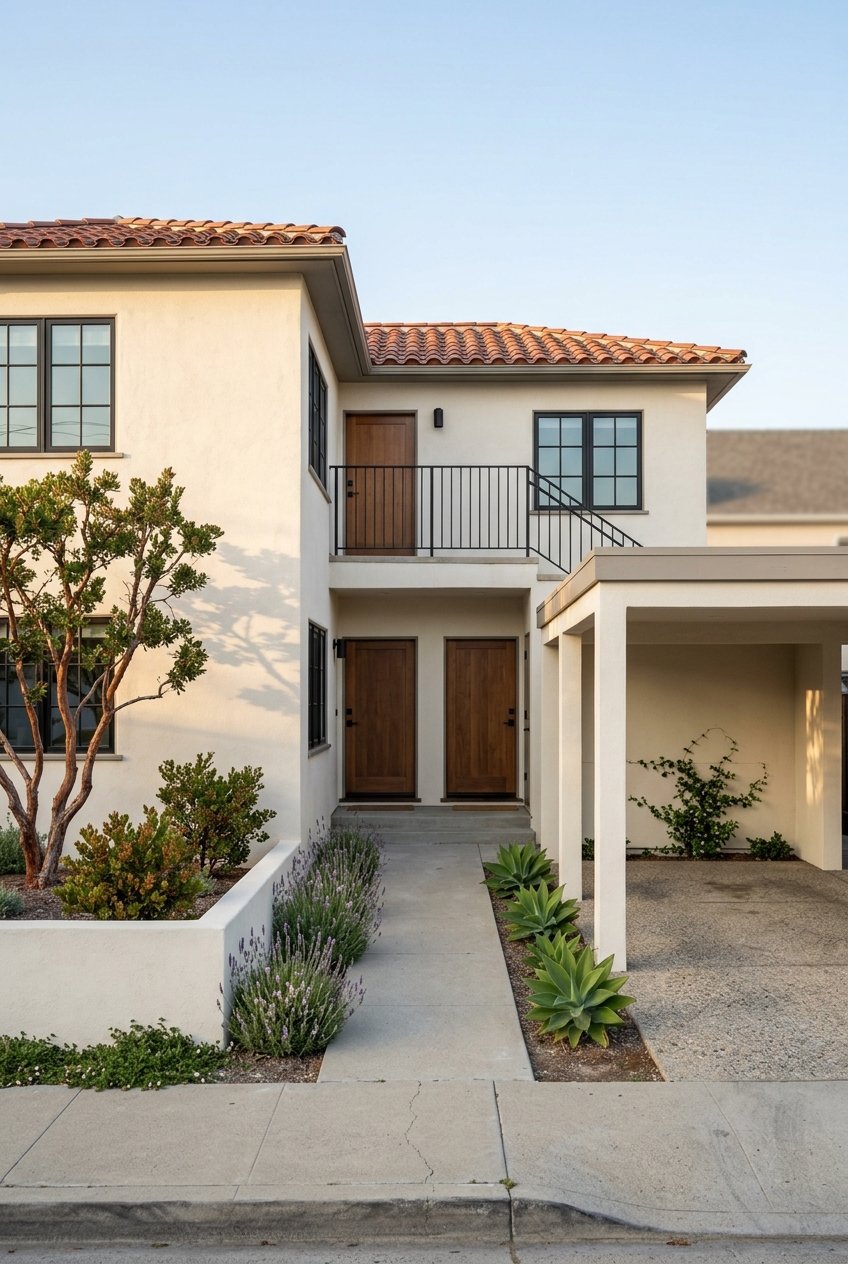
San Leandro Multi Family Homes for Long-Term Investing
April 2, 2026
April 2, 2026
If you are looking at multi family homes in San Leandro for long term investing, the numbers only tell part of the story. A duplex, triplex, or small apartment building can look solid on paper, but long-term performance often comes down to unit mix, parking, transit access, and how local rules affect your options over time. The good news is that San Leandro offers several durable demand drivers, and with careful underwriting, you can make more informed decisions. Let’s dive in.
San Leandro sits in a strategic part of the East Bay, and that matters when you are buying for steady rental income and long-term appreciation. The city has 86,571 residents and 30,454 households, with a median household income of $101,420, according to the U.S. Census QuickFacts for San Leandro.
Just as important, about 45% of households are renter-occupied. That creates a meaningful renter base for long-term owners, especially if you are focused on smaller units that match how many local households are structured.
San Leandro also benefits from regional access. The city highlights two BART connections, and San Leandro’s retail and development overview points to active downtown improvements, access to Bayfair, and a walkable environment in key areas.
For long-term investors, demand is not just about whether people want to rent in San Leandro. It is about what kinds of units they are most likely to rent and how your building fits that demand.
Household data shows a strong share of smaller households. About 24% are one-person households, 29% are two-person households, and 18% are three-person households, based on Bay Area Metro household data. That supports consistent demand for efficient studios, one-bedroom units, and many two-bedroom layouts.
At the same time, larger units still matter. Two- and three-bedroom units can attract households that need more space, and in some cases they may offer stronger rent upside if the property serves multigenerational renters or households that prefer extra room.
One of the biggest mistakes investors make is underwriting from a single headline rent number. In San Leandro, published rent trackers show a range, not one definitive answer.
According to Zillow’s San Leandro rental market trends, average rent is about $2,400, with studios around $1,695, one-bedrooms around $1,900, two-bedrooms around $2,495, and three-bedrooms around $3,295. Zillow currently labels the market temperature as cool.
That rent ladder is important because the jump from a one-bedroom to a two-bedroom, and then to a three-bedroom, can meaningfully change income potential. Still, broad platform data should be treated as a directional starting point, not a replacement for block-by-block lease comps, current rent rolls, and the actual condition of the building.
Long-term investors usually look at three common categories in San Leandro:
Each category can work, but your underwriting should change depending on the number of units, bedroom mix, parking layout, and location relative to transit. In San Leandro, two properties with the same unit count can perform very differently if one has better parking, better access to BART, or a more efficient layout.
In a market like San Leandro, unit mix deserves close attention. A property with several one-bedroom and two-bedroom units may appeal to a broader tenant pool because local household sizes lean smaller.
That does not mean larger units are a bad bet. It means you should compare the rent premium of larger units against turnover risk, parking needs, and layout efficiency. Sometimes a well-designed two-bedroom building can outperform a property with oversized units that are harder to lease consistently.
When you review a building, ask:
In San Leandro, parking is not a small detail. It can directly affect rentability, resale value, and redevelopment potential.
Under San Leandro’s parking regulations, requirements vary by unit type, project size, and distance to BART. For two-family dwellings, the code generally requires 2 spaces per unit, including 1 covered. For three or more units, standards can shift depending on bedroom count and location.
This becomes especially important near transit. In the Downtown Area within one-half mile of BART, some studio and one-bedroom units can have a 0-space minimum, while units farther from BART may require more parking. The code also notes that projects within one-half mile of a major transit stop do not need off-street parking and loading spaces unless otherwise authorized.
For investors, that means parking can create either opportunity or cost. A well-located property near BART may offer more flexibility, while a property with constrained parking farther from transit may face limitations that affect future improvements.
Transit is one of San Leandro’s clearest long-term strengths. The city’s development and retail information notes access to both the San Leandro BART station and Bay Fair station.
The San Leandro station is served by three lines, and the Bay Fair area is part of a broader development plan intended to create a more walkable mixed-use transit village with housing, retail, jobs, and community spaces. For long-term investors, that matters because transit-oriented demand tends to support tenant interest, especially for renters who value access to regional job centers.
Downtown improvements also support the tenant experience. The city points to an active downtown improvement association, a 384-space parking garage, and short-term parking that supports walkability and local business activity.
Cash flow matters, but long-term investors should also think about appreciation drivers that can support value over time. San Leandro’s broader economic strategy is one of those factors.
According to the city’s Innovation Action Plan, San Leandro’s 10-year economic strategy is designed to support investment and high-quality jobs. The city also highlights its location near major highways, Oakland International Airport, and regional tech hubs.
That does not guarantee straight-line appreciation. It does suggest that value growth may be supported by a mix of current income, access, and ongoing reinvestment. At the same time, planned residential projects can add supply in some pockets, which may temper near-term rent growth depending on the submarket.
If you are buying and holding in San Leandro, you need to pay attention to changing local rules. These are not side issues. They directly affect future rent growth assumptions and compliance obligations.
The city’s housing protections page states that the rental registry is effective in July 2026 and the rent stabilization ordinance is effective January 1, 2027. City materials say covered-unit rent increases will be capped at the lower of 3% or 65% of CPI, based on the rent in effect on July 1, 2025.
The same materials also show that some properties may be exempt, including single-family homes, separately saleable condos or townhomes, post-February 1, 1995 units, ADUs, owner-occupied duplexes, short-term rentals, and deed-restricted affordable housing. That is why you should review each property carefully rather than assume every duplex, triplex, or small apartment falls into the same category.
Alongside local rules, California investors should understand the statewide framework. The California Attorney General’s overview of the Tenant Protection Act explains that AB 1482 generally caps annual rent increases for many covered properties at 5% plus inflation or 10%, whichever is lower.
San Leandro’s January 2026 city presentation modeled the AB 1482 allowed increase at 6.3% for the period from August 1, 2025 through July 31, 2026. For you as an investor, the takeaway is simple: underwrite conservatively and keep strong lease and compliance records.
A deal can still make sense under tighter rent-growth assumptions. In fact, many of the best long-term buys are the ones that continue to work even when you use more cautious projections.
San Leandro is also building a more formal rental data framework. City staff materials tied to the rental registry ordinance say the registry will collect information such as year built, rental housing type, total units, exempt units, owner type, rent history, and other charges.
Over time, that may make local market data more transparent. For now, though, you still want to underwrite from the property outward, using the actual rent roll, the leases, unit condition, location factors, and true neighborhood comps.
When you evaluate a San Leandro multi family property for the long term, focus on these core items:
This kind of framework helps you avoid buying based on headline cap rate alone. It also helps you compare properties more intelligently when they look similar at first glance but perform differently over time.
If you are selling one investment property and buying another, timing becomes critical. The IRS rules on like-kind exchanges state that replacement property must generally be identified within 45 days and acquired within 180 days.
The IRS also makes clear that like-kind treatment applies to real property held for investment or productive use in a trade or business, not property held primarily for sale. Because entity structure, deed language, and timelines can affect the outcome, long-term investors should coordinate early with a CPA and real estate attorney.
This is where local transaction management can make a real difference. In a fast-moving exchange, you need clear communication, realistic property screening, and a process that keeps the deal moving.
If you are considering a duplex, triplex, fourplex, or small apartment building in San Leandro, the key is to stay disciplined. Look past the listing summary and study the unit mix, parking, transit advantage, lease structure, and local policy exposure.
San Leandro offers several long-term strengths, including a sizable renter base, regional transit access, and ongoing reinvestment. But the best results usually come from buying the right building at the right terms, with a realistic plan for income, expenses, and compliance.
If you want a local, practical read on a San Leandro multi family opportunity, connect with Bert Aranda. You will get straightforward guidance, clear communication, and experienced support as you evaluate your next investment move.

Get assistance in determining current property value, crafting a competitive offer, writing and negotiating a contract, and much more. Contact me today.