Room-By-Room Plan To Prep Your San Leandro Home For Sale
July 9, 2026
July 9, 2026
If you plan to sell in San Leandro, speed alone will not do all the work for you. Even in a market where homes often go pending in about two weeks and sale-to-list ratios have recently hovered around 102%, buyers still compare condition, presentation, and price the moment your home hits the market. A smart prep plan can help you protect your value, reduce stress, and avoid wasting time on updates that do not move the needle. Let’s walk through a practical room-by-room plan so you know what to tackle first.
San Leandro remains a fast-moving East Bay market, but that does not mean every home sells the same way. Recent local snapshots show average home values around $814,043 on Zillow, a median sale price near $870,479 on Redfin, and about 135 homes for sale with a median list price of $870K on Realtor.com.
Those numbers tell you two things. First, buyers are active. Second, your home still needs to show well because pricing and presentation both matter when buyers are moving quickly.
National staging data also supports a focused prep strategy. The most common seller recommendations are decluttering, cleaning the entire home, and improving curb appeal, and many agents report that staging can reduce time on market and sometimes improve offers.
Before you go room by room, it helps to follow the work in the right order. That keeps you from cleaning twice, making rushed decisions, or starting projects that delay your listing.
A manageable seller-prep sequence usually looks like this:
In California, it also makes sense to gather disclosures early. State law requires a Transfer Disclosure Statement before transfer, natural hazard disclosures when a property falls in mapped hazard areas, and lead-based paint disclosures for homes built before 1978 when applicable.
If you are thinking about work beyond surface-level updates, check permit requirements first. San Leandro requires permits for many types of construction, repair, and system work, including electrical, plumbing, gas, and mechanical changes.
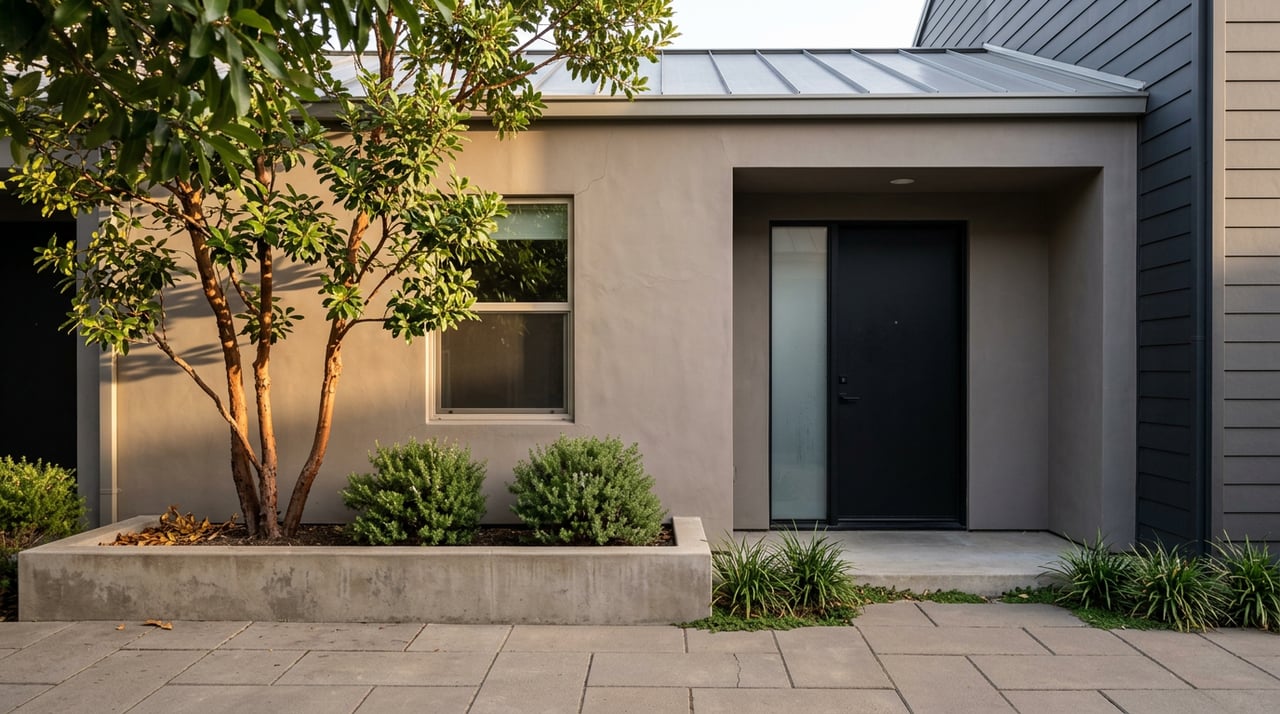
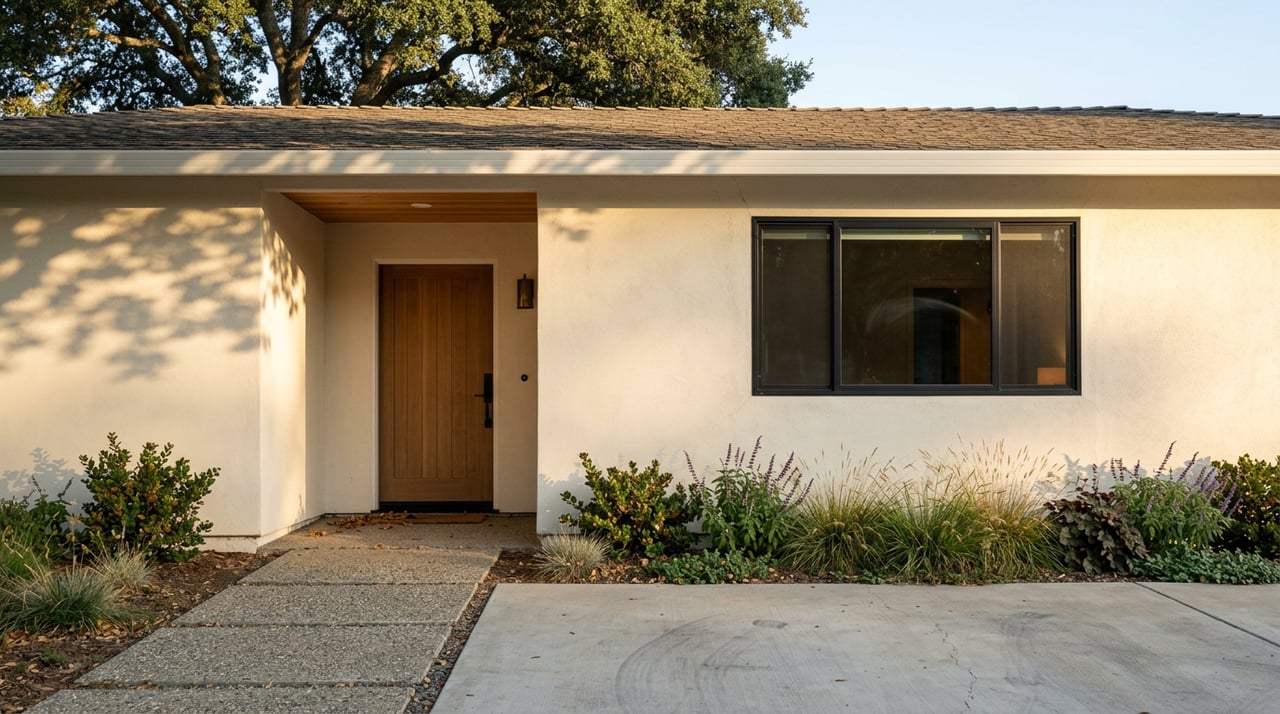
Buyers often form an opinion before they ever step inside. That makes the exterior your first room, especially in online photos and drive-by visits.
Start with the basics that buyers see right away. Clean the front door, clear the walkway, make sure your address numbers are visible, and remove anything that makes the entry feel neglected or cluttered.
Pressure-washing the driveway or garage floor can help the home feel better maintained. Cleaning windows and screens also helps from both the curb and the inside looking out.
If paint is peeling or trim looks tired, a targeted refresh may be worth it. NAR data also shows strong cost recovery for a new steel front door and solid recovery for a fiberglass front door and vinyl windows, which can matter if those items are noticeably dated.
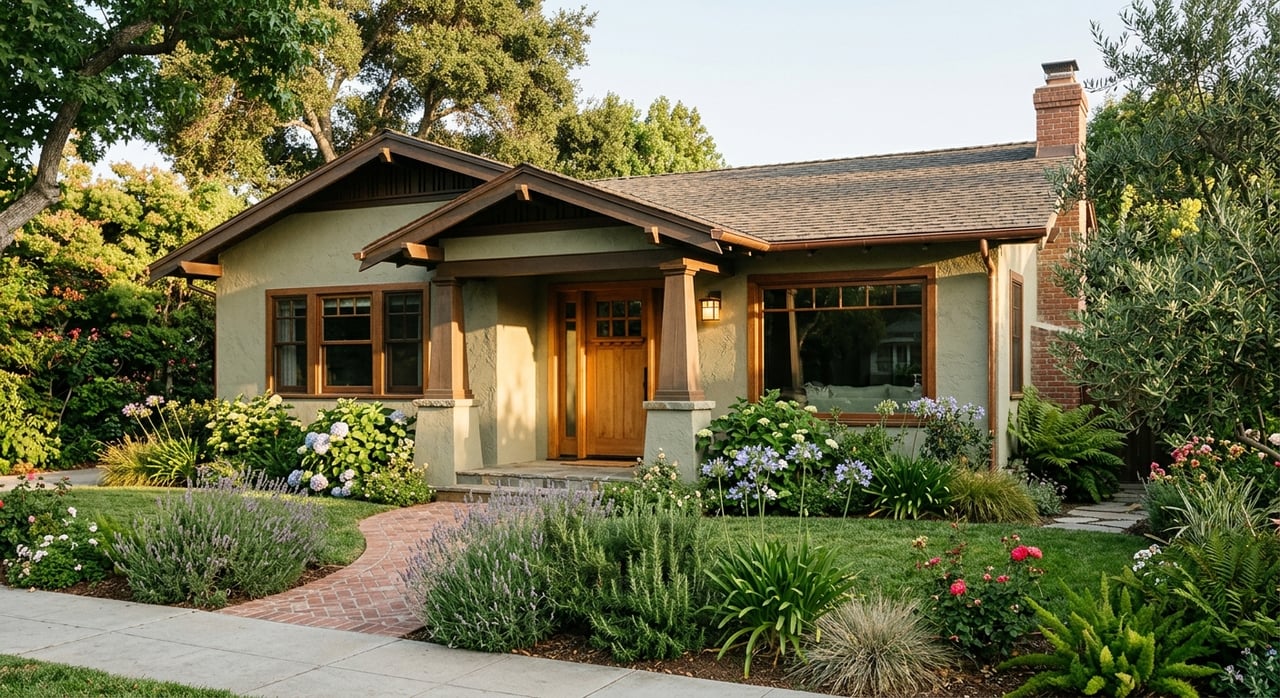
Your goal is neat and open, not overdesigned. Trim back plants from the walkway, remove dead growth, and make the route to the front door obvious and inviting.
In a market like San Leandro, buyers often decide quickly whether a home feels cared for. The outside should support that impression right away.
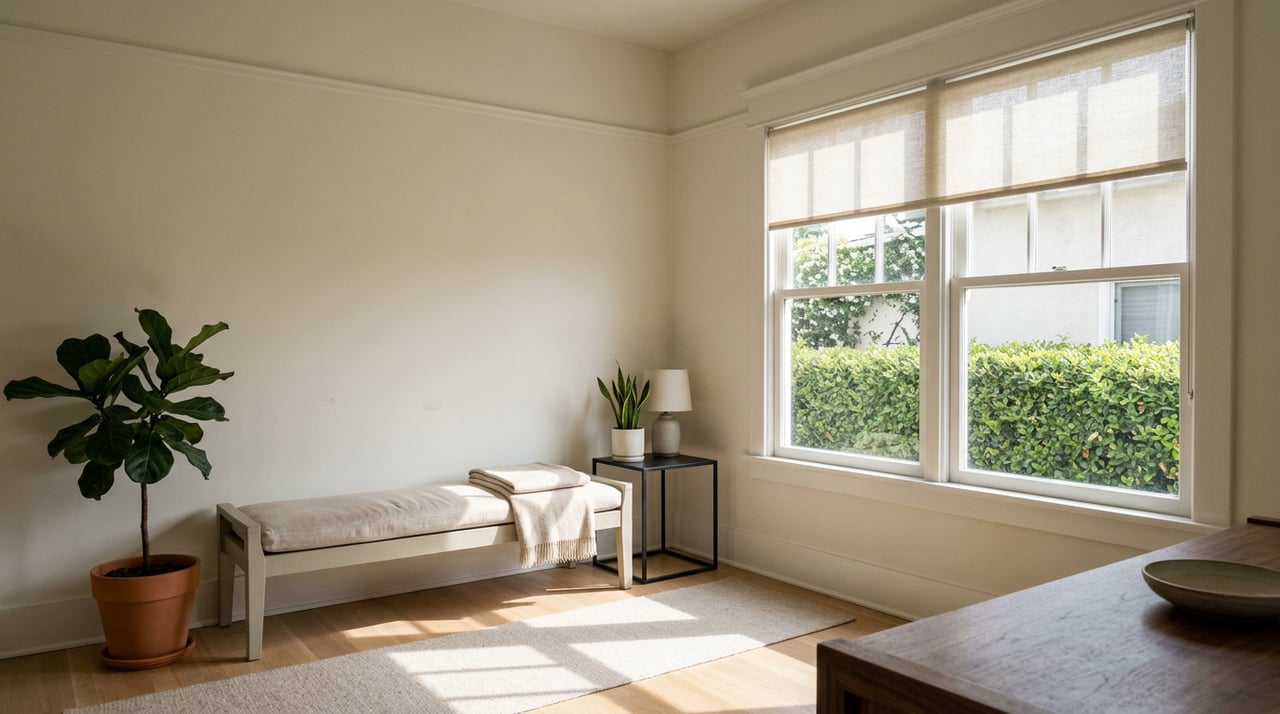
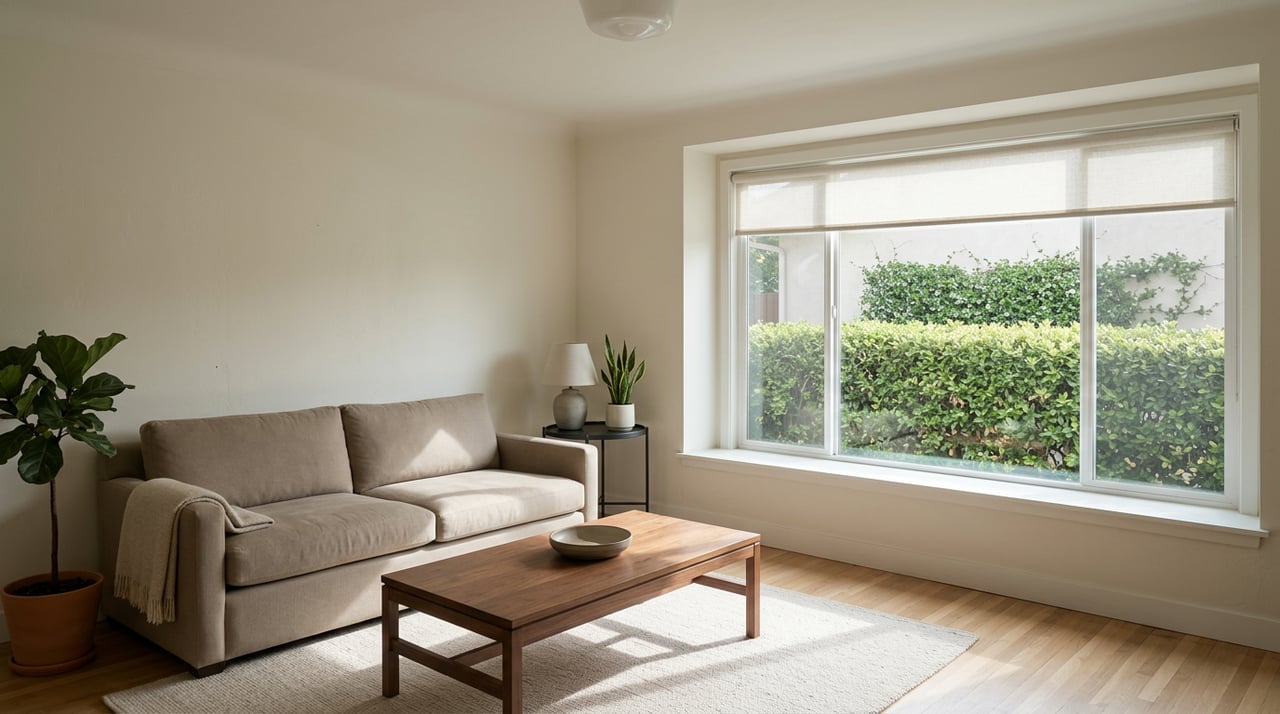
According to staging data, the living room is the most important room to stage. That means this space deserves extra attention before your home goes live.
Remove excess furniture so the room feels larger and easier to walk through. Clear surfaces, reduce personal decor, and let the room show its size and layout instead of your day-to-day storage habits.
Bright rooms tend to feel cleaner and more current. Replace burned-out bulbs, clean fixtures, and open up the space so natural light can do its job.
If the paint is dark, scuffed, or very specific to your taste, neutral colors like whites, grays, and beiges are widely accepted by buyers. Fresh paint is also one of the most practical low-disruption updates you can make before listing.
Dining rooms often collect extra furniture, paperwork, or hobby items. Before listing, bring the space back to its intended use so buyers can understand how it fits into the home.
A simple table setting, clear floor space, and balanced furniture arrangement usually work best. You want buyers to see comfortable everyday living, not a room that has become a catchall.
If the dining room connects to the living room or kitchen, the whole area should feel cohesive. Too many pieces can make the home feel smaller and interrupt the flow buyers want to see.
In photos, clean sight lines help connected spaces read as larger. That can make a meaningful difference in how your listing feels online.
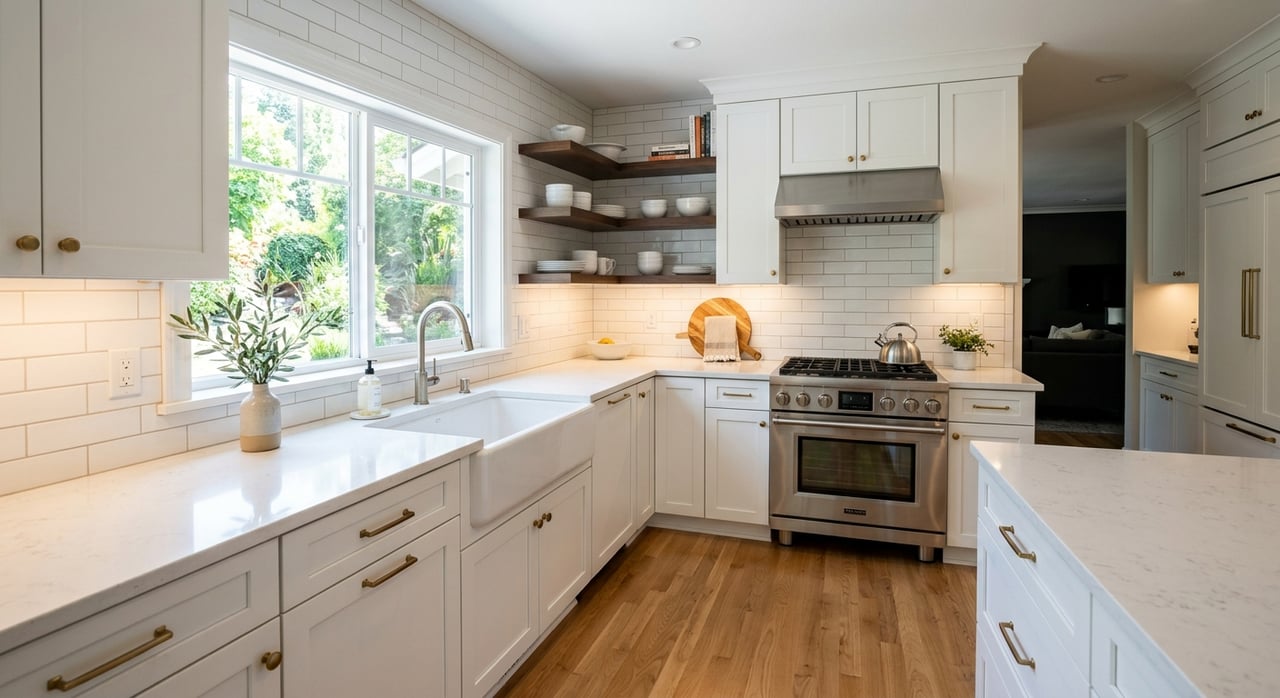
The kitchen matters, but that does not always mean a full remodel is the best move. In a market where homes can go pending quickly, a long renovation may create more disruption than value.
Instead, focus on visible details that make the kitchen feel clean and current. Wipe cabinet doors, knobs, and handles, organize the refrigerator, and neutralize any odors before showings and photos.
If your hardware looks worn or outdated, swapping pulls and handles can give the room a cleaner look. Coordinating finishes across hardware, lighting, and appliances can also make the kitchen feel more intentional.
NAR data places a minor kitchen upgrade at about 60% estimated cost recovery. That supports a selective refresh approach rather than a major project in many resale situations.
Countertops should look as open as possible. Leave only a few purposeful items out, and store small appliances when you can.
Buyers want to imagine their own routines in the space. The less visual clutter they see, the easier that becomes.
The primary bedroom ranks just behind the living room in staging importance. It should feel comfortable, open, and easy to picture as a retreat.
Use simple bedding, limit personal items, and remove oversized furniture if the room feels tight. Buyers respond well to spaces that feel calm and move-in ready.
Nightstands stacked with personal items, overfilled dressers, and packed corners can make the room feel smaller. Edit down what stays in the room before photos and showings.
If paint, baseboards, or walls show wear, this is another place where cleaning and fresh neutral paint can help. Small details often shape the overall impression.
Bathrooms do not usually need expensive expansion before resale. In many cases, a selective refresh is the better move.
Start by wiping mirrors, storing toiletries out of sight, and replacing worn towels with fresh, simple ones. A new shower curtain or small staging touch can help the room feel cleaner and brighter.
Bathrooms are small, so wear stands out. Make sure surfaces are clean, odors are gone, and fixtures look polished.
NAR remodeling data places bathroom renovation at about 50% estimated cost recovery. That is another reason many sellers do better with strategic fixes instead of a major bathroom overhaul.
Secondary bedrooms matter less than the main living spaces, but they still influence how buyers judge the home. A room that feels cluttered or confusing can make the whole property seem less organized.
Give each room a clear purpose. Whether it is staged as a bedroom, office, or flexible bonus space, buyers should understand it quickly.
Closets should never look packed. Organized closets help buyers feel there is enough storage, and closet improvement ranks well for cost recovery.
This does not mean custom systems are always necessary. Often, simply removing excess items and creating visible breathing room does the job.
Laundry rooms, garages, and utility spaces may not sell the home on their own, but they do shape how maintained the property feels. If these areas look chaotic, buyers may wonder what else has been overlooked.
Clear out unnecessary items, sweep floors, and organize shelves. In the garage, buyers should be able to see usable space, not just stored belongings.
Even practical spaces should feel intentional. A tidy laundry area and uncluttered storage zone can quietly reinforce that the home has been cared for.
That matters when buyers are comparing several homes in a short time frame.
One of the most common mistakes sellers make is scheduling photos too early. If the home is not fully cleaned, staged, and ready, your online presentation may undersell the property from day one.
Photos, video, and tours matter to buyers, so the final step should be getting every key room market-ready before media is created. Once your listing is live, you want your first impression to be your best impression.
If you want to keep costs under control, spend first on decluttering, cleaning, curb appeal, paint, and the main living spaces. Those are the updates most closely tied to buyer perception and a smoother launch.
This is also where strong coordination matters. A clear prep plan helps you avoid over-improving while still presenting the home at a high level.
If you want a practical plan tailored to your San Leandro home, Bert Aranda can help you prioritize the right updates, coordinate prep, and bring your listing to market with a clear strategy.

Get assistance in determining current property value, crafting a competitive offer, writing and negotiating a contract, and much more. Contact me today.