Comparing Homes Near BART in Castro Valley, San Leandro & Hayward
June 18, 2026
June 18, 2026
If you want BART access without giving up too much on price, lifestyle, or day-to-day convenience, choosing the right station area matters more than you might think. Castro Valley, San Leandro, and Hayward each offer a different mix of home prices, commute options, and neighborhood feel. This comparison will help you see where your budget may go farther, what kind of market pace to expect, and which station area may fit how you actually want to live. Let’s dive in.
If you are searching near BART in central Alameda County, these three station areas often come up for the same reason: they can all support a car-light commute while giving you different housing choices. They are close enough in geography to compare directly, but they do not feel the same once you look at price, housing type, and station surroundings.
At a high level, Castro Valley reads as the premium detached-home option, San Leandro stands out as the most budget-friendly attached-home market, and Hayward offers the strongest mixed-use downtown setting. Those differences can shape not only what you buy, but also how competitive your search may feel.
Because station-radius sales data are limited, the most practical current comparison comes from Bay East city-level reports dated May 2026. That gives you a solid real-world snapshot of what buyers are seeing in each market today.
Castro Valley is the priciest of the three for detached homes. In May 2026, the median sale price for a detached home was $1,280,000, with an average of $669 per square foot, 20 days on market, and homes selling for 108% of list price on average.
Attached homes in Castro Valley were more approachable, but still higher than the other two markets. The May 2026 median sale price for attached homes was $775,000, with an average of $482 per square foot, 40 days on market, and sales averaging 100% of list price.
San Leandro lands noticeably lower than Castro Valley, especially for attached homes. Detached homes posted a May 2026 median sale price of $948,000, with $606 per square foot, 18 days on market, and an average sale-to-list ratio of 106%.
For attached homes, San Leandro was the lowest entry point in this comparison. The May 2026 median sale price was $485,000, with $439 per square foot, 28 days on market, and buyers paying 102% of list price on average. One note: the Bay East attached report combines San Leandro and San Lorenzo, so this is a broader attached-home snapshot rather than a station-only sample.
Hayward sits close to San Leandro on detached pricing, but higher on the attached side. In May 2026, detached homes had a median sale price of $960,000, averaged $642 per square foot, took 23 days on market, and sold for 104% of list price on average.
Attached homes in Hayward showed a median sale price of $605,000, with $475 per square foot, 62 days on market, and an average sale-to-list ratio of 101%. That longer market time may create a little more breathing room for some condo or townhome buyers.
Price is only part of the story. If you are trying to compete effectively, it also helps to know how tight the market is by property type.
Across all three areas, detached homes were more competitive than attached homes. Inventory for detached homes was about 1.0 months in Castro Valley, 1.4 months in San Leandro, and 1.8 months in Hayward.
That is a useful signal if you are shopping for a single-family home near BART. In simple terms, you should expect the most pressure in Castro Valley, with San Leandro and Hayward still competitive but a little less compressed.
Attached inventory ranged from 2.8 months in Castro Valley to 3.9 months in Hayward. That does not mean attached homes are easy everywhere, but it does suggest a less intense pace than detached homes.
If you are a first-time buyer, or you want to stay near transit without pushing your budget into detached-home territory, condos and townhomes may provide more room to negotiate timing, condition, or monthly payment.
For many buyers, “near BART” is really about what your weekday routine looks like. The three stations all connect to AC Transit, but the train patterns and parking setup are not identical.
Castro Valley BART serves the Dublin/Pleasanton to Daly City corridor. For many commuters, that makes the station simple and straightforward.
Parking costs are $3.40 daily, $6 for single or multi-day reserved parking, and $105 for monthly reserved parking. BART notes that parking capacity is available at all times.
San Leandro has broader route flexibility shown on its station page, including service toward Daly City, Richmond, and Berryessa/North San Jose. That can be a practical plus if your travel patterns vary across the Bay Area.
Parking is priced the same as Castro Valley at $3.40 daily, $6 for single or multi-day reserved parking, and $105 monthly reserved parking. BART also notes a privately owned garage across the street that is available for riders.
Hayward also shows service toward Daly City, Richmond, and Berryessa/North San Jose, giving it similar route flexibility to San Leandro. For some buyers, that makes Hayward especially worth a look if commute options matter as much as home price.
Hayward has the lowest reserved parking cost of the three. Parking is $3.40 daily, $4.50 for single or multi-day reserved parking, and $93.80 monthly reserved parking. BART also says parking capacity is available at all times.
BART’s current parking rules are worth remembering if you plan to drive to the station. Payment is required Monday through Friday from 4 a.m. to 3 p.m., parking is free on weekends and BART holidays, and daily fee parking must be paid within 10 minutes of parking.
That may sound like a small detail, but it can matter if you expect to use station parking regularly. It is one more cost and routine factor to weigh when comparing neighborhoods near transit.
Numbers help, but lifestyle fit usually decides whether a home still feels right six months later. These three BART areas offer different experiences once you get beyond the listing photos.
Alameda County describes Castro Valley as an unincorporated community with a strong identity, a valley setting, surrounding hills, and a residential character that keeps a small-town scale. Castro Valley Boulevard serves as the commercial center, and the area has preserved open space around it.
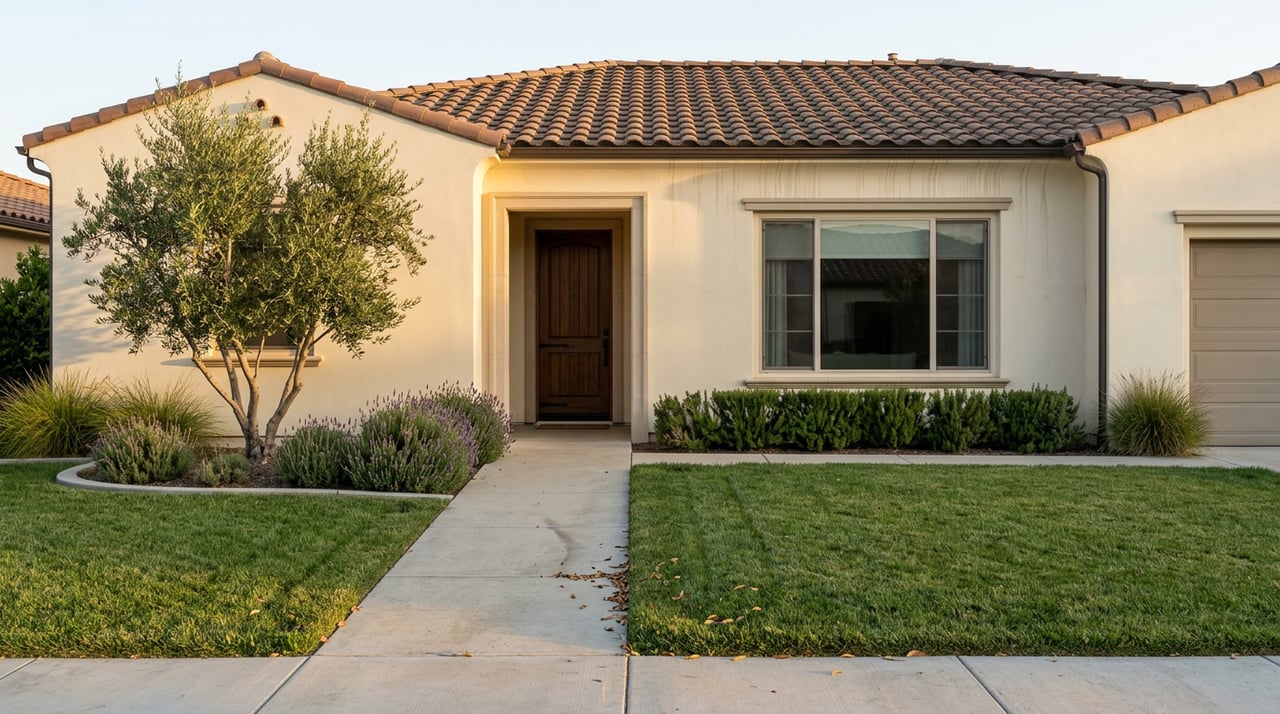
In practical terms, that means Castro Valley often appeals to buyers who want BART access but still prefer a more residential setting. Of the three, it tends to feel the most suburban and the least downtown-oriented.
San Leandro highlights parks, shopping, dining, entertainment, and well-maintained neighborhoods. Downtown San Leandro includes a pedestrian-accessible parking garage, short-term street parking, a weekly farmers market, and public art and murals.
The city’s general plan also describes the Downtown BART area as a place rezoned for a new urban neighborhood, with denser housing and transportation improvements. If you want station access plus a more walkable downtown setting at a lower attached-home price point, San Leandro stands out.
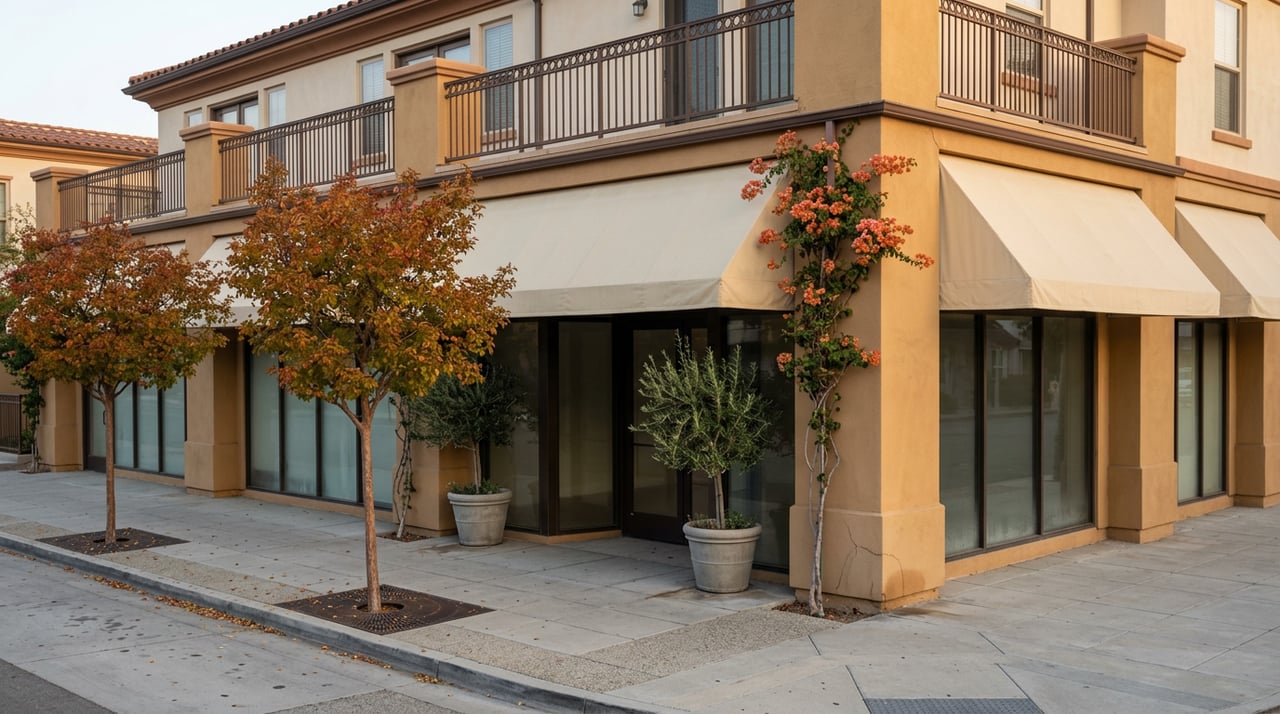
Hayward BART is the most explicitly downtown-centered of the three. BART describes it as near a pedestrian-friendly downtown with housing, shops, offices, and restaurants, and city planning documents reinforce a vision for a vibrant, walkable urban center.
The downtown farmers market is just one block from the station, which adds to the sense that the station sits within an active city center. If you want the strongest mixed-use, less auto-dependent environment in this comparison, Hayward is the clearest fit.
The right choice depends on what you are trying to optimize. Most buyers are balancing some mix of budget, commute, home type, and neighborhood feel.
If you are serious about buying near BART, it helps to compare these areas in the order that affects your decision most. Start with home type, then budget, then station feel, and finally commute routine.
For example, if you want a detached home and your ceiling is under Castro Valley pricing, that may quickly push San Leandro and Hayward higher on your list. If you want a condo or townhome with downtown energy and lower entry cost, San Leandro may deserve an early look. If you want a more urban station area and do not mind a wider pricing spread, Hayward could make the most sense.
A clear local strategy matters because these are not interchangeable markets. The data shows real differences in price, competition, and day-to-day use, and that is where experienced guidance can save you time and help you write stronger offers.
If you want help comparing neighborhoods, pricing, and offer strategy near BART in the East Bay, connect with Bert Aranda for clear guidance and hands-on support.

Get assistance in determining current property value, crafting a competitive offer, writing and negotiating a contract, and much more. Contact me today.