Day-to-Day Living in Hayward: What Daily Life Feels Like
July 16, 2026
July 16, 2026
Wondering what everyday life in Hayward actually feels like once the moving boxes are gone? That is a smart question, especially if you are trying to picture your commute, weekend routine, and the kind of home that fits how you live. Hayward offers a practical mix of transit access, established residential areas, downtown activity, and outdoor space, and understanding that mix can help you decide whether it matches your goals. Let’s dive in.
One of the biggest parts of day-to-day living in Hayward is how many ways you can get from place to place. The city sits near I-880, I-580, Highway 92, and Route 238/Mission Boulevard, which gives drivers several regional connections.
At the same time, Hayward is not just a freeway city. The city points to AC Transit, BART, Capitol Corridor and Amtrak access, paratransit, and bike and pedestrian connections as part of daily mobility. In real life, that can mean your routine includes a mix of driving, walking, bus rides, and rail depending on where you live and where you work.
Hayward has two BART stations, and Hayward Station is near a pedestrian-friendly downtown with housing, shops, offices, and restaurants. If you want easier access to errands or transit, that part of the city may feel very different from a more auto-oriented area.
The city’s planning documents also emphasize compact, walkable, transit-oriented growth around downtown and key corridors. That matters because it shapes what daily convenience can look like, especially if you want to be closer to services and transportation.
If you picture a routine with coffee, takeout, quick errands, and a Saturday market stop, downtown Hayward gives you one of the clearest examples of that lifestyle. The area includes a range of dining and food options, from cafes and bakeries to sushi, pizza, grills, tea shops, and other international dining spots.
The city’s downtown dining resources and annual Hayward Restaurant Month reflect a food scene that supports both casual meals and sit-down outings. In other words, you are not limited to one type of dining experience if you spend time in the city center.
Another steady part of the weekly rhythm is the Hayward Farmers Market. It runs every Saturday, year-round, from 9 a.m. to 1 p.m. on Watkins between B and C Streets next to City Hall Plaza, and it is one block from BART.
That setup makes downtown useful for more than dining. It supports a routine where you can combine groceries, a walk, and a few errands in one trip instead of driving all over town.
Daily life in Hayward is not centered only on downtown. The city’s 2040 Vision identifies Downtown Hayward, Mission Boulevard, Tennyson Road, Hesperian Boulevard, Jackson Street, and the Southland Mall area as major commercial centers and corridors.
For you, that means errands may look different depending on which part of Hayward you call home. Some areas may feel more tied to corridor-based shopping and driving, while others may make it easier to combine errands with transit or walking.
This is an important part of Hayward’s character. Instead of one single lifestyle pattern, the city offers a few different versions of convenience based on built form, street layout, and access to commercial services.
Hayward stands out for the amount of outdoor space built into everyday life. The city says it has more than 3,000 acres of parks and open space and 20 miles of running and hiking trails.
H.A.R.D. maintains more than 30 parks and trails in Hayward, along with facilities such as the Japanese Gardens, Sulphur Creek Nature Center, Rowell Ranch, and Mission Hills Golf Course. That gives you a wide range of options if your ideal weekend includes nature, recreation, or community programs.
The East Bay Regional Park District adds even more variety. Hayward Regional Shoreline includes 1,841 acres and five miles of public trails, while Garin Park in the hills and nearby Cull Canyon and Don Castro broaden your choices for outdoor time.
In practical terms, many residents can build a simple weekend rhythm around these places. A shoreline walk, a hill hike, a park visit, or a farmers market stop can all fit into a normal Saturday without requiring a major trip.
Hayward’s housing stock is shaped largely by postwar development. According to the city, most neighborhoods and districts were developed during the 1950s, 60s, and 70s, which helps explain why many areas include detached homes, commercial corridors, and streets designed around cars.
If you are home shopping, this matters because Hayward does not feel uniform. The type of home you see, the lot size, and the surrounding street pattern can shift quite a bit from one area to another.
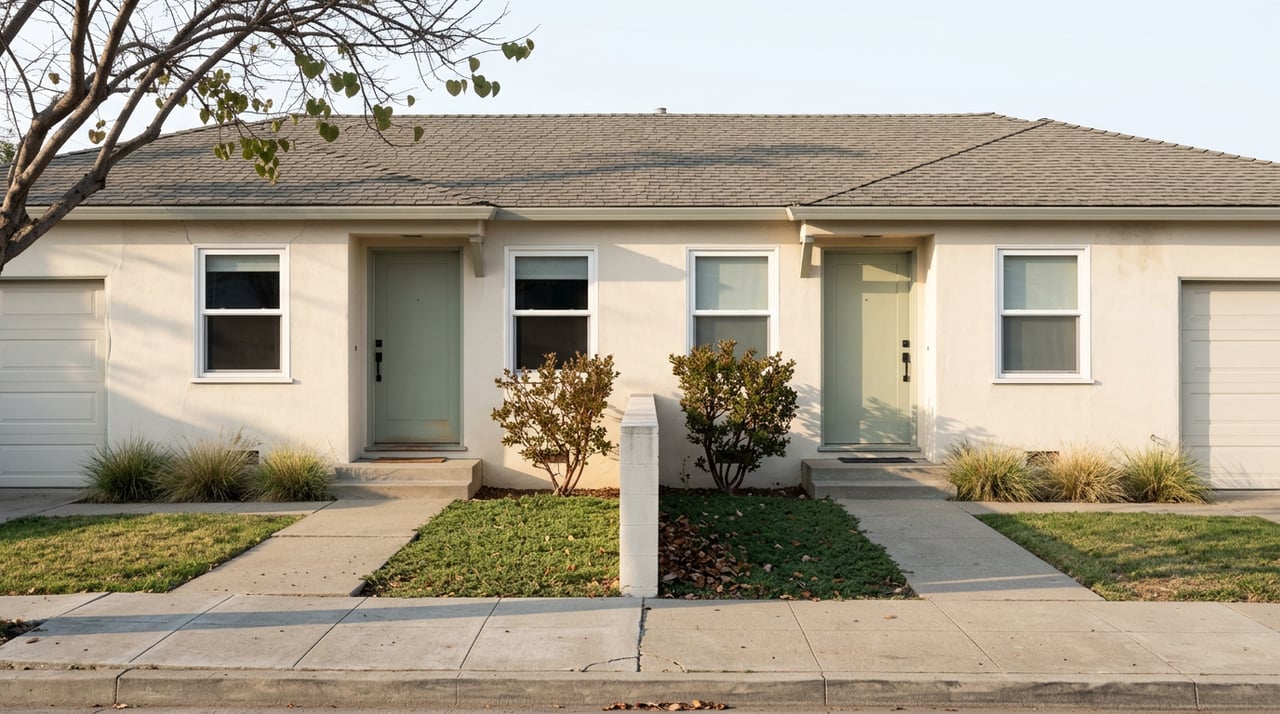
In the eastern hills and low-density suburban areas, the city describes a pattern of larger lots, detached homes, second units, and ancillary structures. These areas generally reflect a more traditional suburban housing layout.
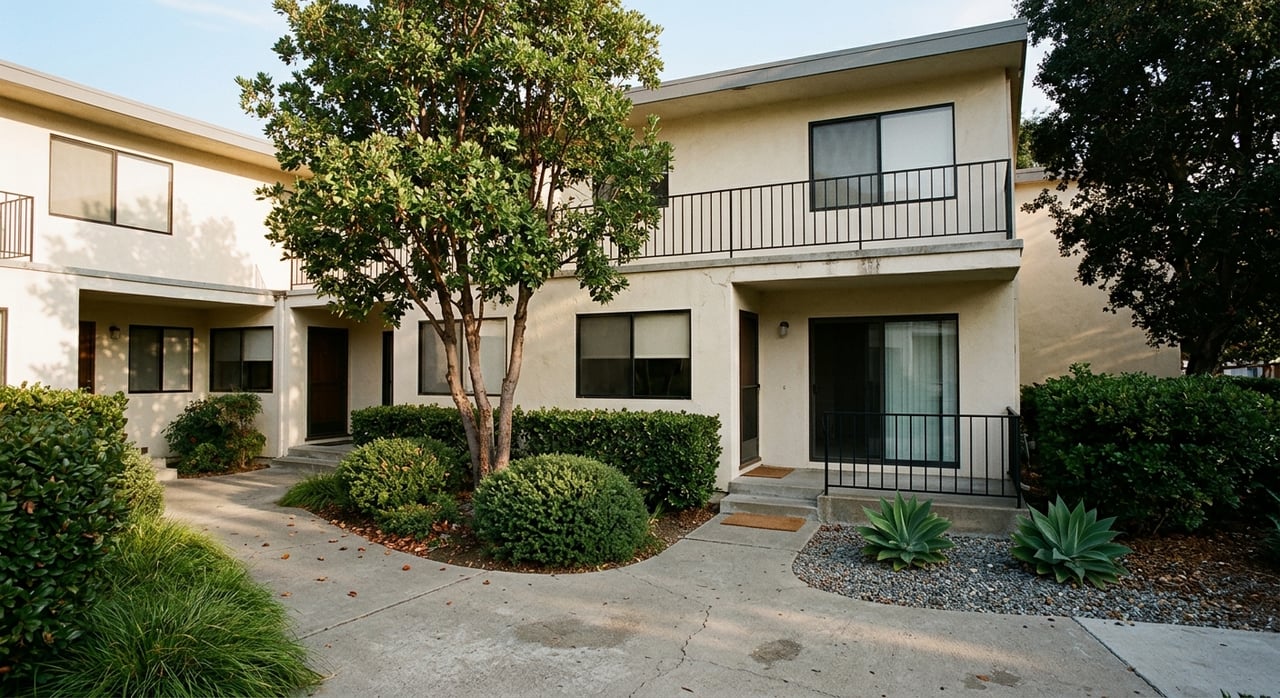
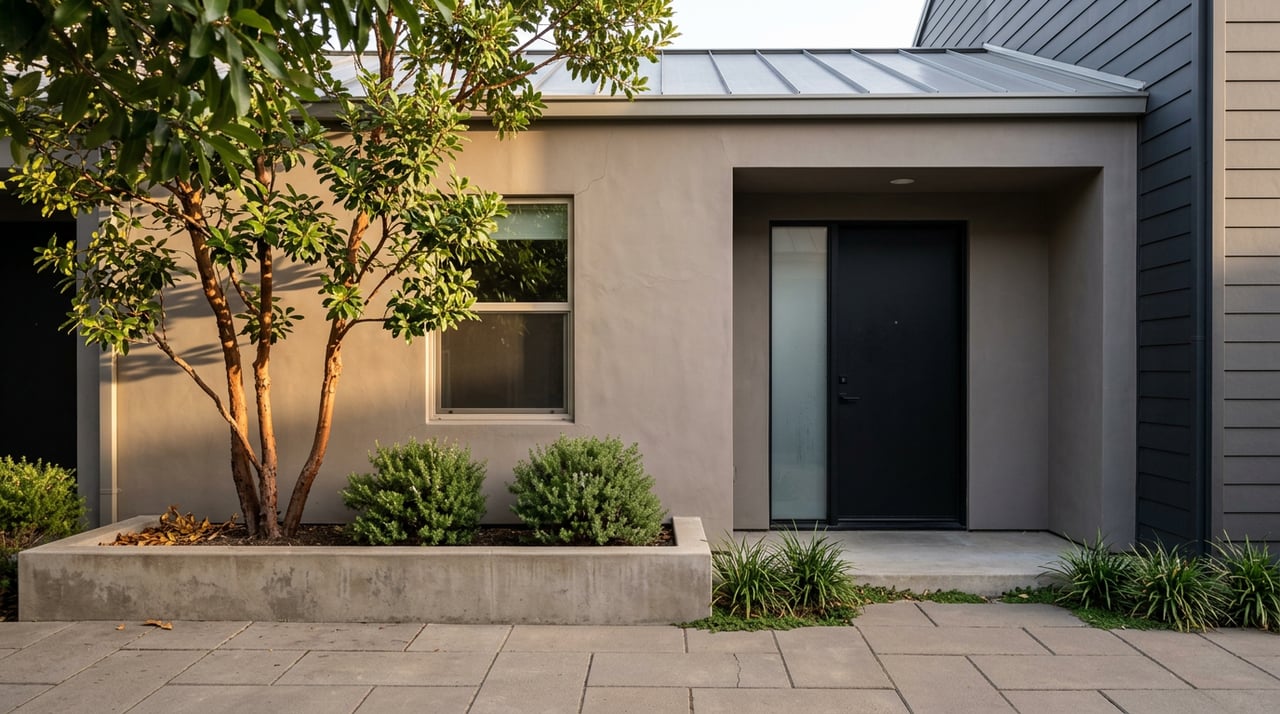
In and around downtown and transit-oriented areas, the city allows a broader mix of housing. That includes townhomes, duplexes, triplexes, fourplexes, apartments, condos, live-work units, and mixed-use buildings with housing above ground-floor retail.
So if you are trying to match a home to your lifestyle, Hayward gives you a range of options. You may find that one part of the city fits a more transit-connected routine, while another supports more space and a different pace of daily movement.
If you are thinking long term, it also helps to know where the city expects change. Hayward says new residential growth is expected primarily in the Downtown Specific Plan area, the Mission Boulevard Code and Mixed-Use Corridor area, and the Former Route 238 Corridor.
These areas are near commercial services and higher-frequency transit, which is consistent with the city’s emphasis on transit-oriented growth. The city also notes that most neighborhoods are not expected to change dramatically, while much of the new growth is concentrated in the Downtown City Center, Cannery Transit Neighborhood, Mission Boulevard Mixed-Use Corridor, and South Hayward BART mixed-use and urban neighborhoods.
That can be helpful if you are deciding between an established area and a location where more new housing and mixed-use development may continue to take shape. Neither is automatically better. It depends on whether you value stability in the built environment, easier transit access, or proximity to newer development patterns.
Downtown City Center offers one of Hayward’s clearest walkable environments. It is near BART and includes storefront commercial buildings, mixed-use buildings, housing above retail, the farmers market, and a concentration of dining options.
If your daily routine benefits from being close to services, food, and transit, this area may be easier to picture. It supports a more connected, on-the-go pattern of living.
The Mission Boulevard and South Hayward BART corridor reflects Hayward’s transit-oriented growth pattern. The city expects more compact, mixed-use development in these areas, especially near services and regional transit.
For buyers, that can mean a different housing mix and a more corridor-based daily routine. You may find that access and convenience are major strengths here.
The eastern hills and other established low-density areas are best understood through their built form. The city describes these places as having larger lots, detached homes, and a more traditional suburban development pattern.
For some buyers, that layout may better fit a preference for more separation between homes or a different daily pace. The key difference is not who lives there, but how the homes and streets are physically arranged.
Day-to-day living in Hayward is less about one single identity and more about how you want your routine to function. You can find areas that support a transit-connected lifestyle, places where errands revolve around commercial corridors, and neighborhoods where the home itself is more central to the experience.
You also get a city with broad outdoor access, a real downtown core, and housing that spans older suburban patterns and newer mixed-use development. That combination is a big part of why Hayward appeals to a wide range of buyers, from first-time buyers to people looking for a more practical East Bay commute setup.
If you are comparing Hayward with nearby East Bay cities, the smartest move is to look beyond price alone. Think about your commute, your weekend habits, the kind of errands you run most often, and whether you want a detached home, a condo, or something closer to transit.
When you line those factors up, Hayward becomes easier to evaluate in real-world terms. And that is usually when a city starts to feel less abstract and more like a place you can actually call home.
If you are thinking about buying or selling in Hayward or the surrounding East Bay, working with an experienced local guide can help you narrow down the areas and property types that fit your goals. Connect with Bert Aranda for straightforward advice, clear communication, and experienced support through every step.
Get assistance in determining current property value, crafting a competitive offer, writing and negotiating a contract, and much more. Contact me today.