Livermore's Isabel Neighborhood Bet: What "Future Transit" Access Is Actually Worth Right Now
August 20, 2026
August 20, 2026
If you've toured new construction near Livermore's Isabel neighborhood this year, you've probably heard some version of the pitch: walk to a future rail stop, ride straight into BART territory, all without leaving the Tri-Valley. It's a good story. Before you let it move your offer price, it's worth asking a plainer question. What, exactly, is "future" doing in that sentence, and how long has Livermore already waited for a version of this same promise to arrive?
The honest answer changes how you should think about a premium tied to transit that hasn't broken ground.
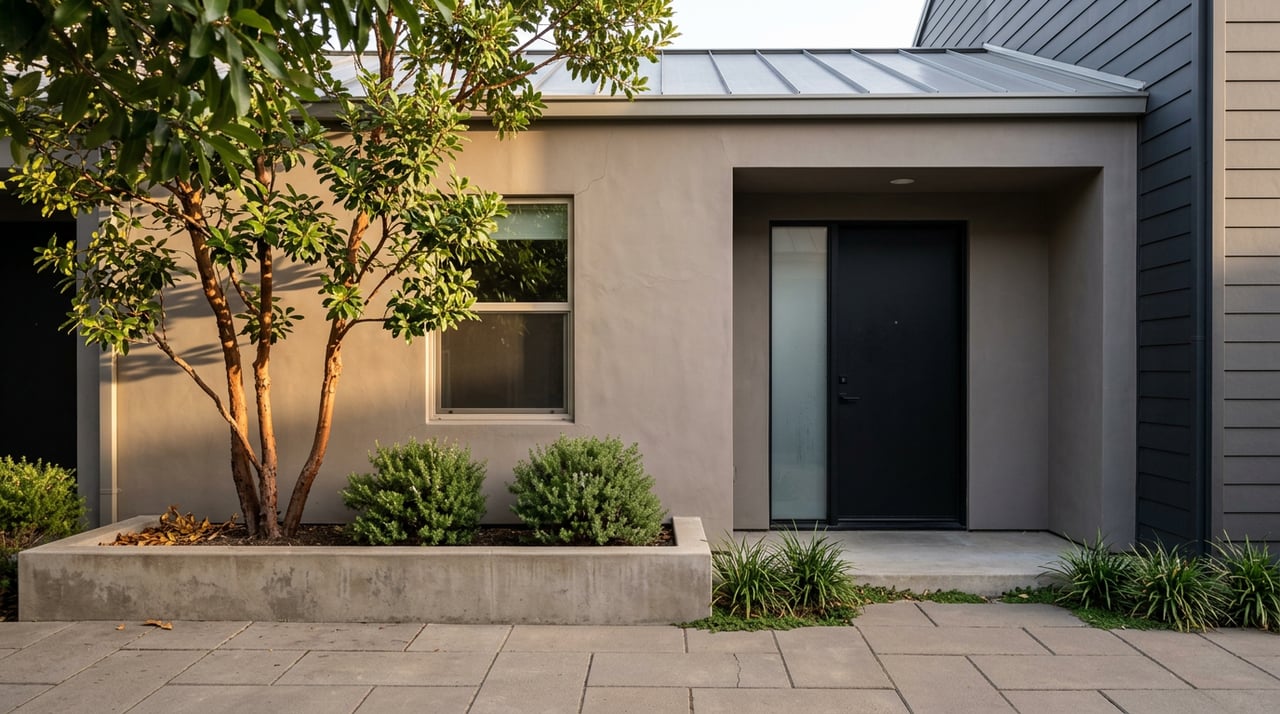
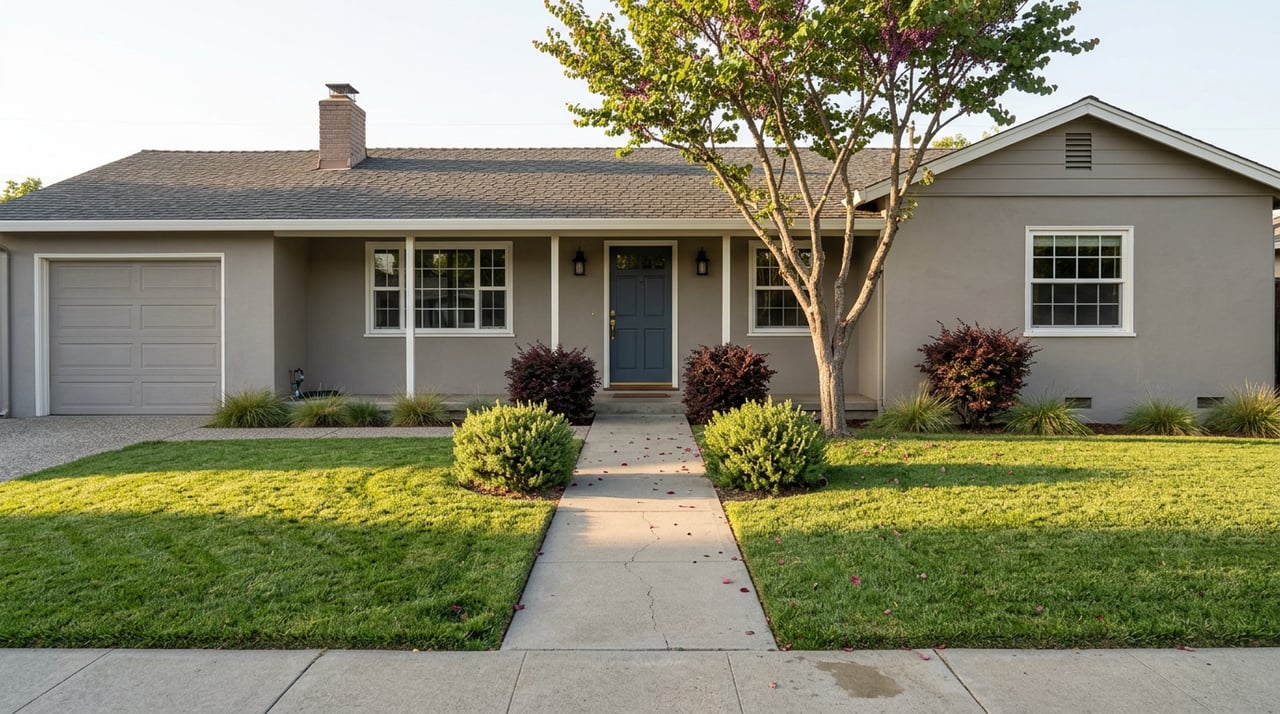
The Isabel area on Livermore's north side already has real housing stock. Sage, Montage, Copper Hill, and Meritage are built communities, not concepts, sitting inside a roughly 1,132-acre planning area the City of Livermore first adopted as the Isabel Neighborhood Plan back in May 2018. That plan was drafted alongside a proposed BART station at the Isabel Avenue interchange, meant to guide the transit-oriented density BART extensions typically bring.
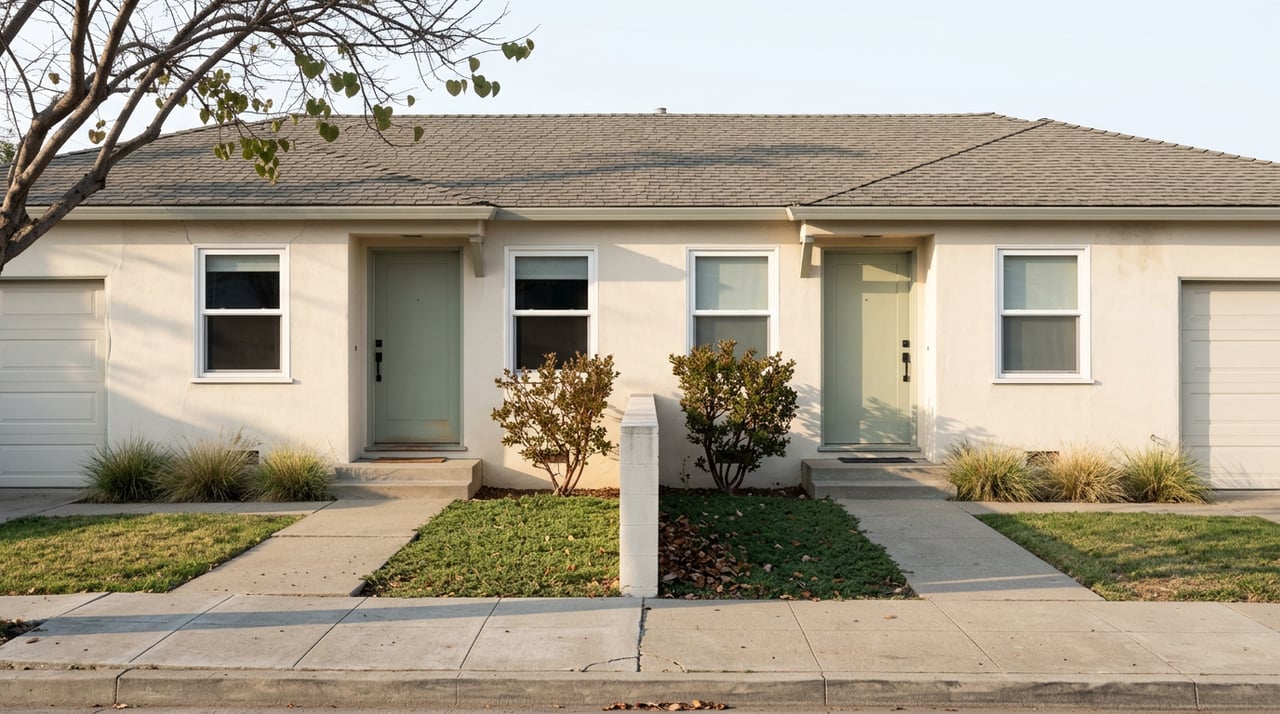
Shea Homes is now the most active builder working that corridor, and its Serenity community is a good example of what's actually for sale today: attached townhome-style units across six floorplans ranging from roughly 1,582 to 2,395 square feet, two to four bedrooms, two-car garages, with quick move-in inventory available now. That's a real, deliverable product. The transit connection woven into its marketing is not.
The distinction matters because the rail line being referenced, Valley Link, is not the BART extension that originally justified this land use plan. It's a different agency, a different technology, and a different funding path, standing in for a project Livermore already watched collapse once.
Here's the part the marketing skips. Livermore spent years pursuing a BART extension east from the Dublin/Pleasanton station, with formal environmental review running from a preferred alignment selected in 2010 through a final decision eight years later. Then, on May 24, 2018, the BART board declined to advance either a full rail extension or a bus rapid transit alternative to Livermore. More than $145 million already committed to the project was forfeited and handed off to a newly created regional rail authority instead.
That authority's answer was Valley Link, a battery-electric line meant to connect the existing Dublin/Pleasanton BART terminus to Livermore's Vasco Road ACE platform and onward into San Joaquin County. It is a genuinely different, more modest technology than the full BART extension Livermore originally wanted, and it has been repeatedly redesigned since.
The cost and timeline history tells you how much confidence to put in a "near future transit" premium today:
| Year | What was being estimated | Projected cost |
|---|---|---|
| 2018 | Full BART extension, Dublin/Pleasanton to Isabel Ave | About $1.6 billion |
| 2019 | Full Valley Link buildout into San Joaquin County | $1.88–$3.21 billion |
| 2023 | Valley Link's first phase, Dublin/Pleasanton into Livermore | About $1.8 billion |
| 2025 | The same first phase | $4.4 billion |
That last jump, more than doubling in roughly two years, is the number that should reset expectations. In April 2026, project officials told reporters they hope to finish final design by late 2027 and open for service sometime in the early 2030s, with every part of that schedule contingent on federal and state grants the project hasn't yet secured. A rendering is not a rail line. A funding request is not a fare gate.
There's another wrinkle worth knowing about, even though it predates this writing by a year and its current status isn't something I can confirm as settled. In early 2025, the Alameda County Taxpayers' Association and the Transportation Solutions Defense and Education Fund filed suit over how Valley Link is being funded, alleging that roughly $400 million in Measure BB sales tax dollars originally earmarked for the BART extension was improperly redirected, and that bridge toll revenue meant for seismic retrofits was being used to prop up the rail project instead. Whatever the outcome, the filing itself is a useful data point. It tells you the funding mechanism behind this "future station" has been contested by people whose job is to watch how public transit dollars get spent, not just by skeptical buyers.
None of this means Valley Link won't eventually get built. It means the project has already been cancelled once under a different name, redesigned at least twice, and has seen its own cost estimate double in the last two years. That's the track record standing behind any listing that leans on future rail access as a reason to pay more today.
Livermore's citywide average home value sat at roughly $1,076,226 as of June 2026, down about 6.7 percent over the prior year, with homes going pending in around eight days on average. That's the backdrop against which any neighborhood-specific premium has to earn its place. Before you let "close to future transit" move the number on a new construction contract, run it through a shorter list of questions:
Livermore's ACE service is real, it runs today, and it connects to San Jose and Silicon Valley on weekdays. Downtown Livermore's walkability to that existing station is a fact you can verify with a walk, not a projection you have to trust. Weighing a downtown resale against Isabel-area new construction on that basis, rather than on a rail line still years from breaking ground, gives you a comparison built on what's real instead of what's promised.
If you're a buyer who genuinely values future transit access and you're comfortable holding for the long term, that's a legitimate strategy. Just price it as a bet, not a certainty, and size your offer accordingly. If you're a seller marketing property in this corridor, lead with what's built: the home, the finishes, the existing ACE access, the school district boundaries you can verify by address. Save the rail extension talk for a footnote, not the headline.
Livermore has been here before. The last time a Bay Area transit agency promised a station at Isabel Avenue, it took eight years of environmental review to say no. The next promise deserves the same patience before it changes what you're willing to pay.
If you're weighing new construction against resale anywhere in Livermore or across the East Bay and want a second set of eyes on what a specific listing's transit claims actually hold up to, Bert Aranda has spent decades walking East Bay buyers and sellers through exactly this kind of due diligence. Reach out for a free home valuation and a straight answer on what you're really paying for.

Get assistance in determining current property value, crafting a competitive offer, writing and negotiating a contract, and much more. Contact me today.